
PLC Control Systems
Modern manufacturing doesn’t just rely on effective machinery, it relies on precise, reliable control. Proving a process works is one thing; running it consistently, safely and at scale is another. That’s where PLC systems are essential.
PLCs provide the real-time control needed to automate equipment, coordinate processes and keep production running smoothly. They ensure machinery behaves predictably, operators stay safe and data is captured for continuous improvement. Whether you’re upgrading legacy equipment or building a new system from scratch, PLCs form the backbone of dependable industrial automation.
At GX Product Design, we develop complete PLC‑based control systems that are engineered for real‑world manufacturing. Our engineers design the control philosophy, build the PLC logic, develop intuitive HMIs and integrate everything with your existing plant — ensuring your process runs exactly as it should, day after day.
A Programmable Logic Controller (PLC) or programmable controller refers to an industrial computer used to control and monitor industrial equipment in manufacturing environments.
Serving as the brain behind many automated machines and industrial processes, PLCs monitor inputs such as sensors, switches and instrumentation before making split-second decisions that control motors, pumps, valves, conveyors and other equipment. A well-designed PLC system improves reliability, increases productivity and reduces downtime.
A PLC repeats the same cycle thousands of times per second:

Sensors, switches, meters and other field devices send signals to the PLC. These might be digital (on/off) or analogue (variable values like pressure or temperature).

The PLC runs a user‑defined control program stored in memory. This logic decides what should happen based on the inputs — for example, “If the tank is low, turn the pump on.”

The PLC sends commands to actuators such as motors, valves, pumps, alarms or lights. These outputs physically change what the machine or process is doing.
This collective, three part loop is called the scan cycle, and it runs continuously with extremely predictable timing, often within 1–30 milliseconds depending on the PLC model and workload. Predictability is crucial for safety and precision.
PLC systems give manufacturers the reliability, speed and consistency needed to keep production moving. By automating key processes, they help equipment run at optimum efficiency and reduce the need for manual intervention and that means fewer errors, safer workflows and smoother operations overall.
Safety is another major advantage. Automated interlocks and carefully designed logic protect operators and equipment, ensuring the system behaves predictably even under fault conditions. PLCs also capture valuable operational data, giving businesses the insight they need to optimise performance, improve reporting and make informed decisions.
As processes evolve, PLCs make future upgrades straightforward. Logic can be updated without major hardware changes, keeping systems flexible and cost‑effective. Their predictable control reduces wear on machinery, lowering maintenance costs over time. And because PLCs integrate seamlessly with both legacy equipment and modern plant, they provide a stable foundation for scalable, long‑term automation.
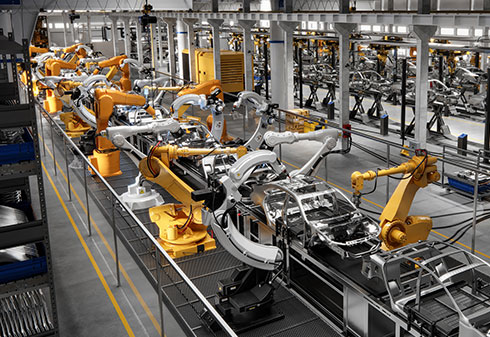
PLC programming is only one part of delivering a successful automation system. GX manages the entire process, from understanding your operation and manufacturing process through to commissioning the final installation, ensuring every stage is aligned with your manufacturing goals.
We can help with:
GX works with a wide range of industry‑standard PLC platforms, including Siemens, Allen‑Bradley, Mitsubishi, Omron and Beckhoff. We select the right platform based on your process, environment and long‑term maintenance needs.





Upgrades are worth considering when hardware becomes obsolete, spare parts are difficult to source, or your process needs new functionality. Many older PLCs can’t support modern safety standards, networking or data capture — upgrading ensures reliability and future‑proofing.
Yes. GX regularly integrates new PLC systems with legacy equipment, older panels and existing instrumentation. We review your current setup, identify compatibility requirements and design a control system that fits seamlessly into your plant.
Absolutely. We replace outdated hardware, rewrite control logic, redesign HMIs and improve safety functions. Modernisation often delivers better reliability, easier maintenance and improved operator visibility without needing to replace the entire machine.
Yes. GX manages full installation and commissioning, ensuring every sensor, actuator and safety device works correctly. We test the system under real operating conditions and verify performance before handover.
Yes. GX develops complete control systems that combine PLC logic with SCADA and HMI interfaces. This allows operators to visualise processes, monitor performance and adjust settings in real time
We offer long‑term support, including logic updates, troubleshooting, optimisation and system improvements. As your process evolves, we help ensure your control system evolves with it.
Yes. Retrofitting is one of our core strengths. We can automate manual processes, add new control functions, improve safety systems or integrate additional equipment — all without needing a full line replacement.
Yes. We produce full documentation including control philosophies, wiring diagrams, safety logic descriptions, operator manuals and maintenance guides — essential for audits, regulatory compliance and future upgrades.
We can integrate PLCs with data‑logging systems, cloud platforms or SCADA dashboards to provide real‑time visibility of performance, alarms and trends. This helps with optimisation, reporting and predictive maintenance.
Timelines vary depending on complexity, but most projects follow a structured process: discovery, design, programming, testing, FAT, installation and commissioning. GX manages the entire workflow to keep projects on schedule.
Looking to automate a process or modernise an existing control system? Whether you’re designing a new machine or upgrading legacy equipment, our PLC engineers can develop reliable, scalable automation solutions tailored to your business.
Talk to our team today to discuss your project.
Email: info@gxgroup.com
Tel: +44 (0) 1291 673437
Enquiry form
Policy statements:
© 2026 GX Product Design. All rights reserved.
Website Design