News
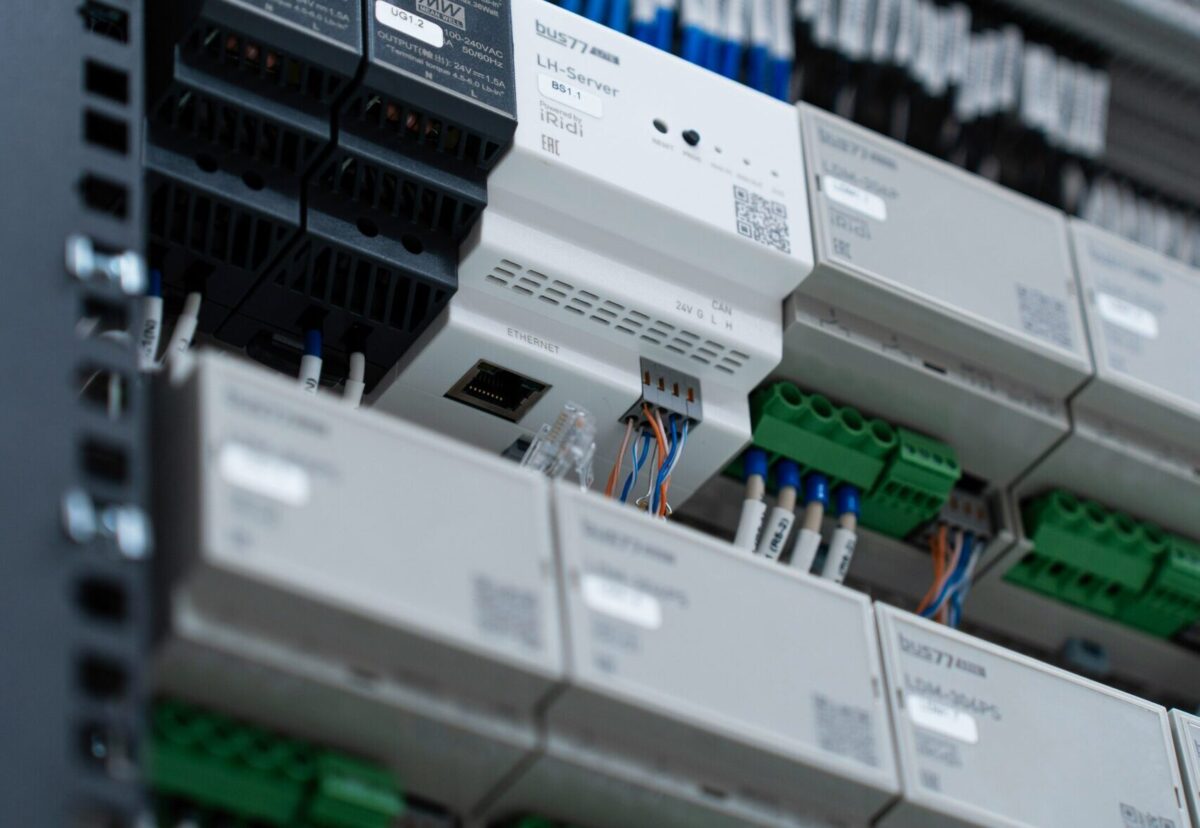
PLC Systems: The hidden engine behind modern automation
26 August 2026In most factories, the machinery gets all the attention, whether that be the robots, conveyors, pumps and presses doing the work that you can see. However, the real power behind modern automation sits behind-the-scenes, inside a control panel, quietly making thousands of decisions every second. That’s the PLC system: the technology that keeps everything moving in sync.
A PLC (Programmable Logic Controller) is the industrial computer that reads what’s happening, decides what should happen next and makes sure equipment behaves exactly as it should. It’s the difference between a machine that works and a process that performs.
What a PLC system really does
At its core, a PLC system is about control. It monitors sensors, switches and instrumentation, processes that information through its programmed logic, and sends instructions to motors, pumps, valves, conveyors or robotic systems. But the real value isn’t just in the logic — it’s in how the PLC fits into this wider system.
An effective PLC system keeps production predictable. It reduces manual intervention, improves consistency, reacts safely to changing conditions and gives operators visibility of what’s happening inside the process. In this way, it’s more than automation, it’s stability.
Why the control system matters more than the machinery
You can install the best equipment available, but without the right PLC system, it won’t reach its full potential. A well engineered control system increases throughput, reduces downtime, improves safety and makes future upgrades far easier. It also allows new automation to work alongside older machinery, which is often the most cost effective way to modernise a production line.
In short: the PLC system determines how well the machinery performs, not the other way around
From PLC programming to full system integration
This is where GX’s approach becomes practical. PLC programming is only one part of the job. A complete PLC system involves understanding the process, defining the control philosophy, designing HMIs, integrating SCADA, building or modifying control panels, testing the logic, running FAT and commissioning the final installation.
At GX, our engineers design control systems around the application itself, not around a generic template. That means the PLC, the software, the electronics and the operator interface all work together from day one.
This joined up approach is especially valuable when modernising older equipment. New automation doesn’t have to replace everything; it just needs to integrate intelligently.
Real world PLC systems in action
GX’s PLC systems have transformed production environments across multiple industries.
At Camford Pressings, GX automated a line of hydraulic presses, integrating robotic feeding and quick die change systems. The impact was immediate: die change time dropped from eight hours to 30 minutes, and output doubled from 250 parts per hour to more than 500.
At BMW, GX developed a PLC driven control system to automate previously manual presses used to produce MINI body panels. Robotic arms, HMIs and SCADA were integrated, including recipe management so operators could select the correct settings for each part.
We were also trusted by Celsa to update many obsolete PLC systems and install new electrical panels throughout various areas of the factory. This included two new pump control systems within key areas of their water treatment plant. Controlled by a Siemens S7-414 programmable logic controller and using existing code, this ensures the newly fitted pumps mimic those already in action at the plant.
Finally, we also worked with Modern Water to rebuild their control architecture from the ground up, converting legacy imperial components to metric, redesigning the electronics and developing new PLC-based logic and HMIs. The updated system delivered more reliable performance, easier manufacturing and improved long-term serviceability. Read more in our case study here.
In every case, the success wasn’t just about adding automation — it was about designing a PLC system that made the entire process work together.
Bespoke PLC systems for demanding environments
Every industrial process is different. Off the shelf automation rarely provides the flexibility or integration required for long term reliability. GX combines software, electronics, mechanical and systems engineering to develop PLC systems tailored to each application, whether that’s manufacturing, utilities, water treatment or scientific instrumentation.
And once the system is commissioned, GX continues to support it with remote diagnostics, software updates, maintenance and modernisation programmes — ensuring the PLC system evolves as the business does.
Is it time to rethink your PLC system?
Whether you’re developing a new automated machine, integrating equipment into an existing line or replacing a legacy control system, the right PLC system can transform how your operation performs.
GX doesn’t just programme PLCs. We build complete control systems designed to solve real operational challenges and deliver reliable, practical automation.
Looking to improve an existing process or develop a new automated system? Talk to GX about your PLC system requirements.